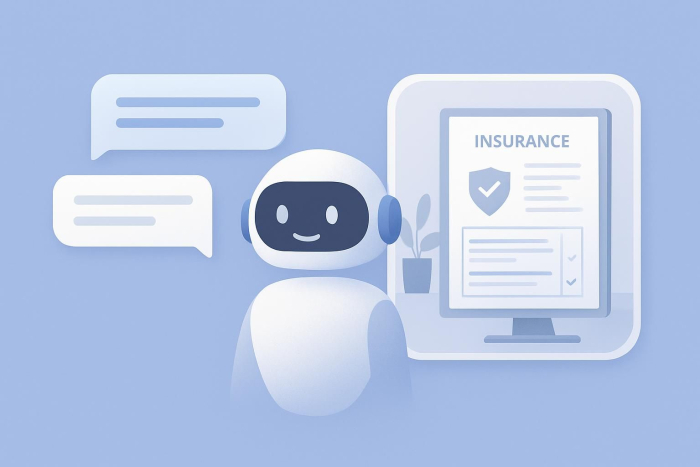
An insurance chatbot is an AI-powered virtual assistant that automates policy questions, claims, and customer support across digital channels, providing instant 24/7 service while reducing operational costs.
The insurance industry has always been about trust, clarity, and responsiveness. But let’s face it: Long phone queues, endless paperwork, and confusing policy details have often frustrated customers. Enter insurance chatbots. These AI-powered virtual assistants are designed to make insurance interactions faster, easier, and clearer. These digital helpers work across channels like websites, mobile apps, WhatsApp, email, and even voice assistants, transforming how insurers engage with clients.
The key advantage of insurance chatbots is their versatility. An insurance chatbot can handle inquiries, guide users through policy details, assist with claims, and even qualify new leads. No wonder insurers worldwide are adopting them rapidly. These chatbots deliver instant, 24-7 support while cutting operational costs. Think of an insurance chatbot as a representative who never sleeps and knows your customers’ needs inside out.
5 use cases of insurance chatbots
Insurance chatbots aren’t just for answering customer FAQs. They can reshape core processes. Here are some of the most impactful insurance chatbot applications:
- Renewals & reminders: Sends proactive renewal alerts, assists with payment processing, and ensures uninterrupted coverage
- Customer education: Explains policy terms, coverage options, and procedures clearly, to help customers make informed decisions
- Claims processing: Automates filing and updates for claims, reducing turnaround time and improving accuracy
- Customer support: Provides instant responses to policy inquiries, FAQs, and payment reminders 24-7
- Lead generation & conversion: Engages potential clients, captures information, qualifies leads, and schedules consultations automatically
Benefits of chatbots in insurance
Why are chatbots becoming indispensable in insurance? Here are the top benefits:
- Efficiency & cost savings: Automating repetitive tasks like claims intake significantly reduces the manual workload on human agents, freeing them to handle more complex cases. In fact, chatbots can reduce customer service costs by up to 30 percent by automating up to 80 percent of routine inquiries and tasks.
- 24-7 availability: AI-driven support boosts customer satisfaction by 30 percent and cuts average handling time by 40 percent, ensuring customers can get instant support any time, in any time zone.
- Improved customer satisfaction: Faster resolutions and personalized responses improve customer trust and loyalty.
- Data insights: Chatbots track common questions, claims patterns, and user behavior, which is gold for improving services.
- Scalability: During peak times, like natural disasters or open enrollment seasons, you can use chatbots to manage surges without extra staffing.
6 steps to launch an insurance chatbot
Building an effective chatbot for the insurance industry doesn’t have to be a complex process. By implementing a few strategic steps, you can create a powerful chatbot that improves your customers’ experience and streamlines your operations:
1. Define your chatbot’s purpose.
Focus on high-value functions:
- Lead generation: Engage and qualify prospects automatically.
- Customer support: Answer FAQs and policy questions, and send payment reminders around the clock.
- Claims processing: Guide customers through the filing process and provide real-time updates.
- Renewals & reminders: Notify customers about upcoming payments, and ensure uninterrupted coverage.
- Customer education: Explain policies and coverage options clearly.
2. Choose your platform.
Selecting the right platform is a critical step. You generally have two options:
- Pre-built platforms: Best for most businesses, these solutions enable a quick launch, come with built-in AI and natural language processing, and include ready-made integrations with common tools. They reduce complexity and cost, making them ideal for insurers who want fast, efficient implementation.
- Custom development: This approach offers maximum flexibility and control, allowing you to design every feature from scratch. However, it requires significant resources, time, and technical expertise, making it better suited for larger organizations with highly specific needs.
3. Train & design conversations.
Begin training your chatbot with insurance-specific data (policy documents, FAQs, and past customer interactions), so it understands common issues and delivers accurate answers.
Then apply chatbot conversation design principles to map out key customer journeys, such as
- Filing a claim
- Renewing a policy
- Checking coverage details
By structuring clear, natural conversation flows around these scenarios, you ensure interactions feel smooth, intuitive, and aligned with your brand voice, making the chatbot more helpful and less robotic.
4. Integrate with internal systems.
Connect your chatbot to essential tools for automation:
- APIs: These rules allow the chatbot to retrieve real-time data from your CRM, policy management system, and claims database.
- Security systems: Your security infrastructure ensures all integrations comply with regulations and protect sensitive customer information.
5. Test, launch, & optimize.
Before going live, test your chatbot with real scenarios to catch issues and refine responses. After the launch, monitor its performance, review conversation logs, and continuously optimize. This process ensures the chatbot remains accurate and effective, and delivers a seamless customer experience.
6. Launch your chatbot fast with Noupe AI.
Meet Noupe, the tiny sidekick with a big impact. Unlike enterprise chatbots that cost hundreds per month and take weeks to set up, Noupe is instantly ready and requires no training or no scripts, just one line of code.
Noupe gives visitors real-time, automated answers from your website content, helping with questions, claims, renewals, or policy guidance. It’s the fast, cost-effective way to offer 24-7 support, boost engagement, and cut service costs by up to 30 percent.
Getting started is simple:
- Get your embed code: Enter your website URL, and Noupe instantly learns your content.
- Add Noupe to your site: Paste the code, and your chatbot is ready.
- Go live in minutes: Your chatbot interacts with customers naturally and sends conversations to your inbox.
Future trends in insurance chatbots
The next generation of insurance chatbots is set to be smarter, faster, and more intuitive than ever. Here’s what to expect:
- Market growth: The global insurance chatbot market is projected to grow from hundreds of millions to over $5 billion by 2033, with a compound annual growth rate (CAGR) of over 24 percent. These estimates show the immense potential and rapid adoption of this technology.
- Predictive analytics & personalization: Chatbots will leverage AI to analyze customer behavior, claims history, and lifestyle patterns and offer tailored policy recommendations and proactive guidance. So each customer interaction can feel personalized, increasing satisfaction and conversion rates.
- Enhanced fraud detection: Machine-learning-powered bots will identify unusual patterns and flag potentially fraudulent claims in real time, helping insurers reduce risk and save costs while maintaining trust.
- Voice-enabled assistance: With voice-enabled chatbots, customers can file claims, ask questions, or check policy details without having to type anything, which is perfect for users on the go.
- Multilingual & omnichannel support: As insurers expand globally, chatbots will communicate seamlessly across multiple languages and platforms, from web and mobile apps to WhatsApp and email, providing consistent service everywhere.
- Internet of Things (IoT) integration: Smart devices like home sensors or vehicle telematics will provide real-time data to chatbots, enabling proactive risk assessment, faster claims processing, and a connected insurance experience.
These trends show that insurance chatbots are evolving from simple FAQ responders into powerful, proactive tools that enhance efficiency, customer engagement, and risk management simultaneously.
Insurance chatbots are revolutionizing customer service. They automate claims, guide renewals, provide instant support, and educate customers, all while reducing agent workload. By using platforms like Noupe, insurers can deploy a chatbot quickly with just one line of code, delivering real-time, personalized assistance at zero cost. With trends like predictive analytics, voice support, and IoT integration, chatbots will become essential tools for modern, customer-focused insurance agencies.
FAQs: Common questions about insurance chatbots
Yes. When implemented with proper encryption and compliance features (like GDPR or HIPAA), customer data remains secure.
Absolutely. From conversation style to visual design, chatbots can reflect your company’s unique voice.
Major insurers like Allstate, Lemonade, and GEICO have implemented chatbots for claims processing, support, and lead generation, showcasing the wide range of possibilities.

